Introduction
Industrial facilities rely on controlled chemistry to protect equipment, meet discharge limits, and maintain reliable output. Calcium hydroxide, a finely processed alkaline compound, supports several tasks across water treatment, sugar refining, construction, and gas cleaning. Its value comes from predictable reactions, practical storage, and broad compatibility with established plant systems. The following sections explain measurable benefits, operating considerations, and environmental effects for managers seeking sound process choices in daily operations.
A Practical Starting Point
Procurement teams often compare purity, particle size, packaging, and handling guidance before approving an alkaline input. A clear product reference for calcium hydroxide helps buyers connect material selection with intended use. Food-grade status can matter where processing lines require tighter controls, while industrial applications may follow separate specifications. This distinction supports safer purchasing, accurate dosing, and consistent results.
Water Treatment
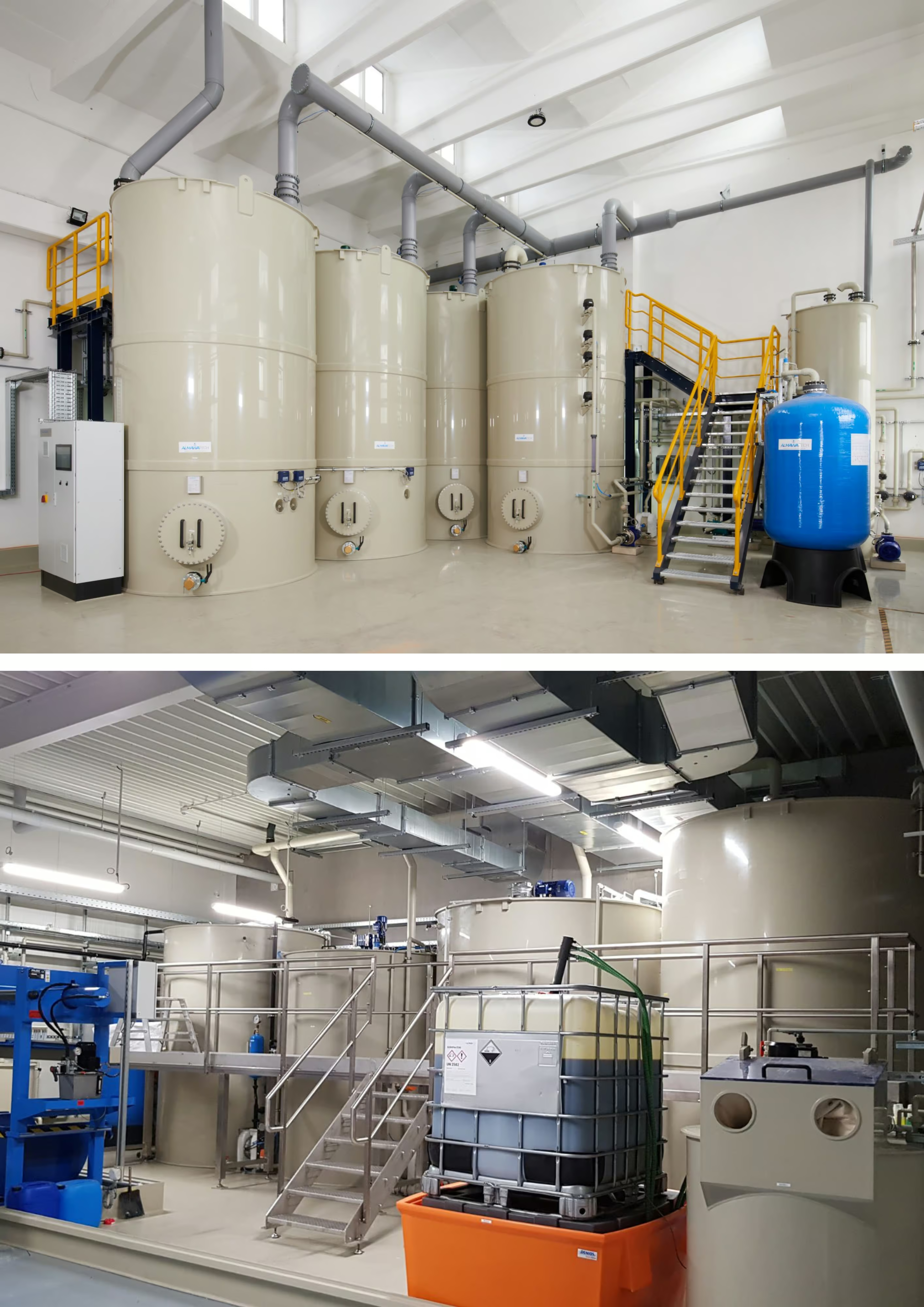
Municipal and industrial plants use this compound to raise pH and neutralize acidic streams. The reaction can help precipitation of dissolved metals, including copper, nickel, and iron. Settled solids then move into clarification equipment for removal. Operators monitor alkalinity, sludge volume, and outlet quality. Correct dosing prevents excess chemical use while supporting compliance with discharge requirements.
Sludge Handling
pH adjustment alters particle charge, allowing suspended material to gather into heavier flocs. This action improves settling and may reduce carryover into later filtration. Operators can track turbidity, solids concentration, and filter pressure. Better separation lowers treatment strain, although generated sludge still requires testing, dewatering, transport, and approved disposal.
Flue Gas Control
Power stations and manufacturing sites use calcium hydroxide in selected emission control systems. The compound reacts with acidic gases, including sulfur dioxide, to form calcium-based salts collected with other residues. Performance depends on gas temperature, contact time, moisture, and feed rate. Continuous monitoring verifies removal efficiency and protects downstream equipment. Proper dosing also limits unused powder and residue volume.
Sugar Refining
Sugar refining can use calcium hydroxide to adjust acidity and assist clarification. The compound reacts with impurities, allowing solids to separate before later filtration stages. Operators measure pH, temperature, retention time, and color response. Controlled treatment protects product consistency. Food-grade material suits processes where purity records, batch traceability, and sanitation checks form part of routine quality management.
Construction Uses
Builders and manufacturers use hydrated lime in mortar, plaster, soil stabilization, and selected concrete processes. Mixed with water, it creates an alkaline paste that can improve workability and support binding. In soil treatment, the reaction can lower plasticity and improve load-bearing behavior. Site teams need proper proportions, moisture control, protective equipment, and curing time. Results depend on local material conditions and tested mix designs.
Agricultural Soil Treatment
Agricultural treatment can use calcium hydroxide to correct acidic soils and improve nutrient availability. Field managers apply tested rates after soil sampling, since texture, moisture, and crop needs affect results. Liming can raise pH gradually, reduce aluminum toxicity, and support root development. Careful application avoids runoff, dust exposure, and unnecessary material use.
Environmental Benefits
Efficient alkalinity control can reduce untreated acidity, metal mobility, and harmful gas release. Better separation may also lower suspended solids entering receiving waters. These gains depend on testing rather than assumption. Plants should record feed quantities, pH readings, effluent results, residue weights, and energy use. Such records reveal whether a treatment change creates genuine environmental improvement or shifts waste into another stream.
Resource Recovery
Some facilities can reuse calcium-rich residues after confirming composition and regulatory acceptance. Recovered solids may support construction blends, soil improvement, or mineral processing, depending on contaminants and local rules. Testing for metals, moisture, and reaction capacity protects downstream users. This approach can reduce disposal demand and conserve virgin inputs.
Safe Handling and Storage
Workers should treat the powder as an irritant and avoid breathing airborne particles. Sealed containers, dry storage, local exhaust ventilation, gloves, eye protection, and wash facilities support safer handling. Staff training should cover mixing order, spill response, first aid, and incompatible materials. Supplier documentation can guide workplace controls. Regular checks prevent moisture uptake, hardened stock, labeling errors, and unsuitable grade use.
Measuring Process Performance
Reliable results require more than a single pH reading. Teams can pair alkalinity data with metal concentration, turbidity, gas readings, product color, or compressive strength. Baseline measurements show normal variation before a change is introduced. Follow-up testing then reveals whether dosage, residence time, or mixing quality caused the observed result. This method supports practical decisions and helps justify maintenance or capital spending.
Conclusion
Calcium hydroxide helps industrial and environmental operations through pH control, contaminant precipitation, gas treatment, clarification, food processing, and material improvement. Its benefits become clearer when facilities pair suitable grade selection with measured dosing, sound storage, and routine testing. Water quality, emission readings, residue volumes, and product results provide useful evidence. With disciplined controls, our communities gain cleaner discharge, safer workplaces, and more dependable production across varied operating conditions over time.


