Introduction
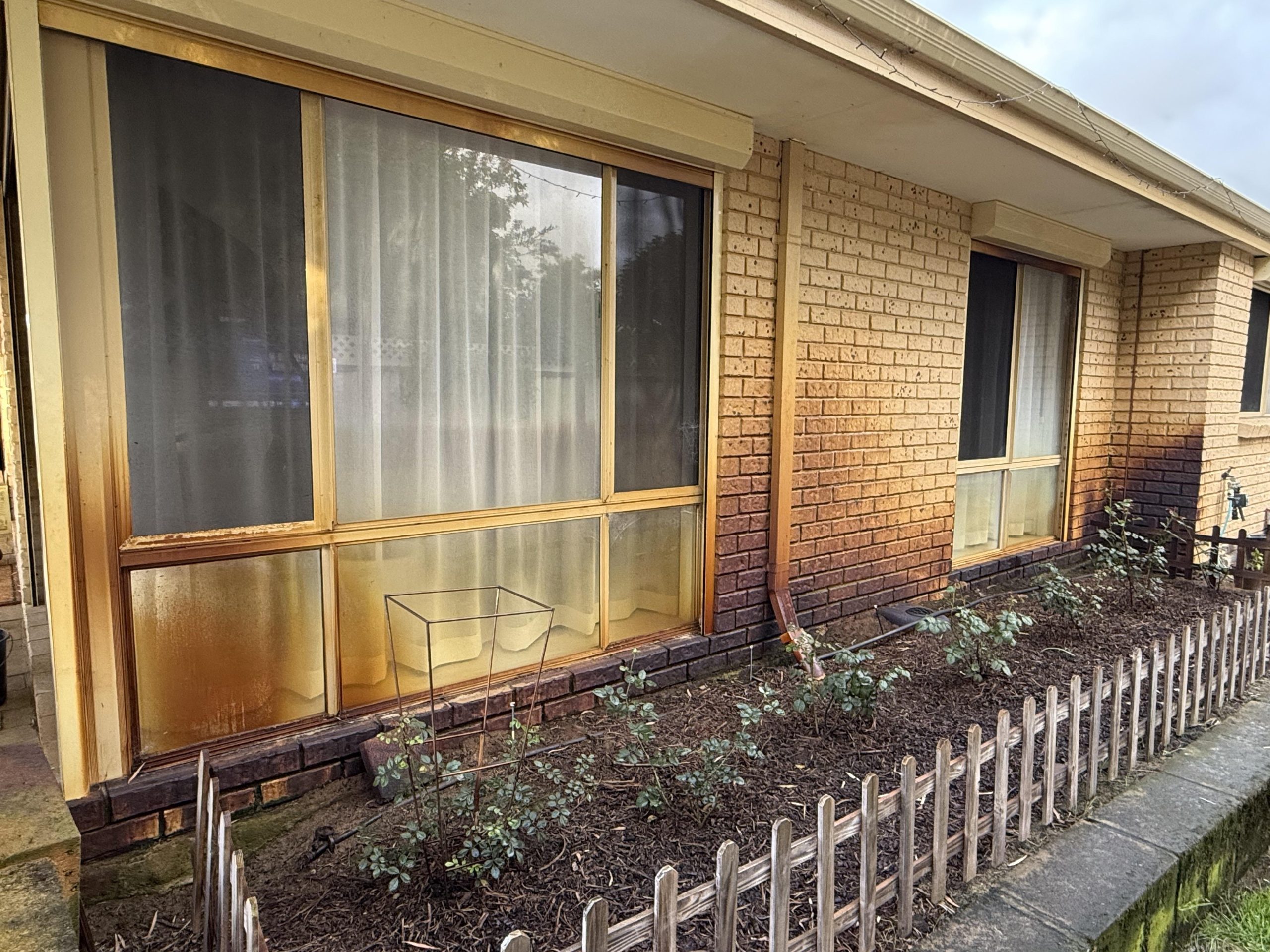
Bore water often leaves orange, brown, or yellow marks on walls, pavers, glass, and painted finishes. Those stains form when iron and mineral content dries on a surface, then hardens over time. Many of us first notice the problem after watering, overspray, or runoff near taps and paths. Good results depend on matching the cleaning method to the material, because harsh action can scratch, dull, or weaken the area being treated.
Start With A Gentle Test
Before stronger cleaning begins, a small patch test helps protect paint, sealers, and polished finishes. Many surfaces react differently to acidic or mineral-targeting products, even when marks look similar. For that reason, users often check labels, dilution guidance, and dwell times before wider treatment. A suitable bore stain remover can lift iron residue from masonry, concrete, glass, and painted areas without aggressive scrubbing when directions are followed carefully.
Use Water First
Fresh marks are easier to manage than older deposits. Plain water, applied early, can loosen loose mineral film before it bonds tightly. A soft sponge or microfibre cloth usually works better than abrasive pads. Circular pressure should stay light. If rubbing creates drag, more rinsing is safer than harder force. That simple step often prevents minor discoloration from becoming a thicker crust.
Match Product To Surface
Porous materials hold residue deeper than smooth finishes. Concrete, brick, and grout may need more contact time than glass or sealed metal. Painted walls also need extra care, because strong formulas can affect colour or sheen. Users usually compare the stain source, surface type, and age of buildup before choosing a cleaner. That small review reduces the risk of fading, etching, or patchy results.
Avoid Harsh Tools
Wire brushes, steel wool, and rough scouring pads can create permanent marks. Once scratches appear, minerals collect faster during later watering. Soft bristles are usually safer for textured areas, especially around render and stone. On glass, a non-abrasive cloth is often enough after the cleaner has time to work. Patience matters more than force, because scraping rarely solves iron staining cleanly.
Work In Short Cycles
Large stained areas can tempt users to flood everything at once. That approach often causes uneven drying, missed patches, and wasted product. Smaller sections are easier to control and rinse well. Many cleaners perform best with short dwell periods, followed by light agitation and a full wash-down. Repeating that cycle can be safer than one heavy application, especially on decorative finishes.
Rinse Completely
A thorough rinse removes dissolved minerals and leftover cleaner from the surface. If residue remains, fresh staining may appear faster after the next watering cycle. Clean water should reach edges, joints, and low spots where runoff settles. Users often rinse more than once on rough paving or brickwork. That extra step protects appearance and helps reveal whether another light treatment is still needed.
Time The Job Well
Warm surfaces can dry cleaner too quickly, which limits contact and may leave spotting. Cooler conditions usually give better control, especially outdoors. Early morning or late afternoon often suits walls, paths, and garden surrounds. Wind can also spread overspray onto nearby plants or metals. Choosing a calm period helps accuracy, reduces waste, and makes rinsing easier before the product dries in place.
Stop Future Build-Up
Prevention saves far more effort than repeat deep cleaning. Adjusting sprinklers, fixing overspray, and checking drainage can limit fresh marks near bore-fed zones. Some households also rinse hard surfaces after watering to remove mineral droplets before they set. Sealed finishes may resist buildup better, though the correct sealer depends on the substrate. Regular light maintenance usually keeps staining from turning into a stubborn layered deposit.
Know When To Reapply
Some stains disappear after one pass, while older marks may need a second or third light treatment. Reapplication should follow product directions, because overuse can stress delicate finishes. If the colour fades but does not vanish, that usually shows progress rather than failure. Users often get the best result by spacing treatments, rinsing well, then checking the area again after it dries fully.
Conclusion
Tough bore stains do not always require harsh scrubbing or risky home mixes. Better outcomes usually come from patient steps, careful testing, and a cleaner suited to iron-based residue. When users respect surface type, rinsing needs, and timing, visible marks can lift without avoidable damage. A steady method protects paint, masonry, glass, and concrete, while making future maintenance easier for all of us who manage bore water exposure.