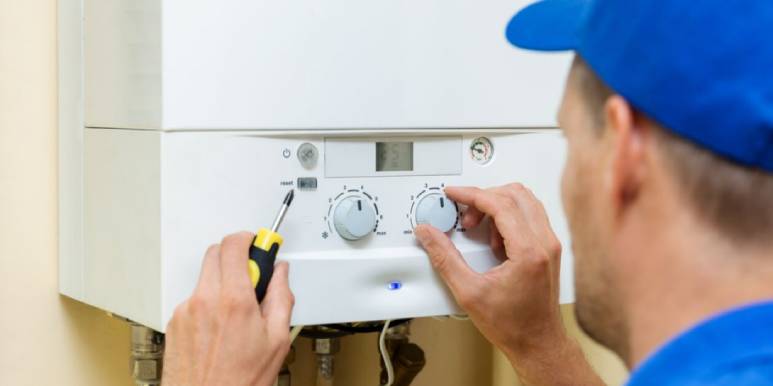
Electric boilers have many practical applications in the?home, but they also provide great energy-efficient solutions, even in areas where gas is not available. It is vital to comprehend the installation of these systems to?ensure that they function properly and last long while maintaining safety. In this relative guide, we can discuss some?key conclusions and ideas when you erect electric boilers.
Understanding Electric Boilers
Electric Boiler Safety and Reliability Electric boilers heat water by using electricity to generate heat, resulting in clean and efficient hot water?that does not emit carbon monoxide, making it great for hot water heating systems and domestic hot water. They by no means have emissions like gas or oil boilers.
Advantages of Electric Boilers:
Efficiency: Very high?efficiency with very little heat loss.
Safety: A gas stove can leak?gas or carbon monoxide (CO) into your home, while electric cooking poses no such threat.
Space Saving: The compact design allows it?to fit in small spaces.
Low noise: Compared to other heating systems, a?very quiet operation.
Preparing for Installation
An?electric boiler requires a number of steps to be completed before it can be installed. These will help the process go?smoother and work better.
Evaluate the space: Make?sure that there is sufficient room for the boiler and other associated parts.
Check?airflow: Make sure to keep good airflow to remain cool.
Ensure the right accessibility: Maintenance needs to have close access to the?boiler.
Select the Right Boiler: The best boiler for the property in question is the one that meets its specific demands.
Energy Efficiency: Choose models that are rated higher to consume less electricity.
Fit: The boiler should be fit for the current plumbing and electrical?equipment.
Installation Steps
When the preparation is done, the?next step can be to install it. These steps are pretty well the ones you need to follow in order?to get it to work fine.
Electrical Connection:
Licensed electrical contractor:?It takes an expert to deal with electrical connections.
For the electrical connections: Make sure the?boiler is plugged into the right outlet.
Circuit Protection: Install circuit?breakers to protect against electrical surges
Plumbing Requirements:
Water supply: You need to attach the boiler to?the main water supply line.
Put one?in for overpressurisation protection (which is required by law)
Insulate pipes: Insulate pipes to decrease heat?loss and increase efficiency.
Mounting the Boiler:
Wall-mounted: Using brackets, the boiler is mounted?to a solid wall.
Floor?standing: Level the floor and provide sufficient strength to hold the weight of the boiler.
Clearance: Keep away from other objects as?recommended.
Post Installation Checks
Once the boiler is fitted, there are a number of tests that?need to be carried out to ensure it works correctly.
System Testing: Turn the boiler on and?observe its operation
Look for leaks:?Check connections to see if they leak water.
Temperature settings: Set as high?or low as desired
Safety Measures:
Emergency Shut?Off: There should be a nearby switch used to turn off the boiler in an emergency.
Tstat Calibration: Confirm the tstat is controlling to the correct temperature
Regular inspection: Get maintenance done at?intervals to identify problems before they occur.
Maintenance and Troubleshooting
Maintenance is a good way?to get more life out of electric boilers. It is always better to avoid these repairs by opting for regular checks.
Routine Maintenance:
Yearly service: Get someone in every year?to check over it.
Descaling:?To sustain efficiency, remove limescale buildup.
Cleaning Filters: Regularly Cleaning Filters to?Keep Working Efficiently
Common Troubleshooting:
Lack of hot water: Check the power?supply and water pressure.
Strange sounds:?Check for air in the line or loose parts.
Inconsistent heating: check thermostat settings and?system calibration
Environmental Considerations
Installation reduces the carbon footprints of home electric boilers in UK. They offer?an eco-friendly heating alternative as they run on electricity, which can be powered by renewable energy sources.
Eco-friendly Benefits:
Zero emission: Electric boilers do not?emit toxic gases.
Solar panels: boosting sustainability by combining with renewable?energy sources
Related: Energy-Efficient:?By low-temperature hot water systems, moving on to higher-energy efficiency Models
Conclusion
Electric boilers have to be installed after?planning, since it is an extensive process. Armed with this information, any homeowner should be able to guide themselves through a successful installation that can ensure the reliable?effectiveness of their heating. The system will last longer as well as run more?efficiently with regular maintenance and operation. When?you add all of these benefits together, electric boilers become a very attractive option for sustainable heating in the modern home.