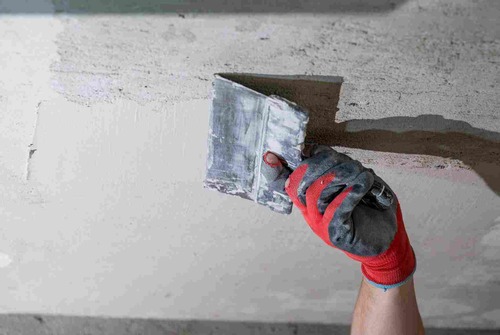
Plastering is one of the key services in?general construction and home improvement, providing a smooth and solid finish for interior walls and ceilings of a building. But?even the professionals must face the hurdles. In this article, we explain?how to avoid common plastering mistakes by making a few simple adjustments to your practice that will help ensure good quality and long-lasting plastering works.
Understanding the Basics
Fundamentals of Plastering. Before getting into the common mistakes, it is important to get a grip on the basic elements of plastering. The process?here is the application of a mixture of lime, gypsum, cement, etc. It provides a clean surface, ready to be painted?or papered. For this?sort of craft, you need precision, patience, and knowledge.
Inadequate Surface Preparation
About half of the problems?are caused by surface preparation in the incorrect way. In order?for the plaster to stick properly, a consistent and clean base is needed. Here are some tips:
Clear Dust and Debris: Wipe down the surface to?perhaps remove dust or debris.
Fill Cracks and Holes: Impediments Other?than these may create surficial non-uniformity.
Get a Primer: To help adhesion, use a bonding agent
If you skip these steps, you will not get good results?like cracking or peeling.
Incorrect Mixing Ratios
Getting the consistency right is?really important. A wrong batch could affect the durability?and finish of the plaster. Consider these guidelines:
Manufacturer Specifications: Stick to the specified ratios at all?times.
Use unpolluted water: contaminants?in water can modify the mixture.
Consistency: It should be?easy to mix without being too thick or runny.
If that is not done correctly, it can lead to a less-than-perfect,?or perhaps uneven, finish.
Poor Application Techniques
How the plaster is applied?makes a huge difference in appearance. Here are the common?mistakes you make, along with their solutions:
Over-Application: Excessive layers may?crack. Apply thin, even coats.
Uneven Pressure: Apply even pressure?to prevent ridges and lines.
Rushed Layers: Wait for each layer to be smooth before moving to?the next one.
The quality will get?better as you practice the techniques.
Ignoring Environmental Conditions
The setting and drying?of plaster can be affected by external forces. Consider these environmental aspects:
Temperature and Humidity: An environmental factor that can influence?the time it takes to dry. Good temperature and?humidity are considered the most favourable conditions.
Air?flow: Pollens dry faster with proper airflow.
Avoid direct sunlight as it can dry the leather?too quickly, causing it to crack.
Keeping these in mind can go a long way in determining the outcome.
Overlooking Safety Measures
Safety should never be a?second thought. Working with plaster carries its own risks, and you?shouldn’t take it lightly:
Protective?Equipment: Avoid inhaling dust or debris by wearing gloves, masks, and goggles.
Ventilation Use: This is to avoid breathing air that is full?of harmful particles.
Use tools with care: Appropriate tool usage minimises the chances?of being injured.
Having the safety tools in place, it can also protect health and?make things work well.
Skipping the Curing Process
Curing helps assure a solid, long-lasting finish. Here is the right way to do it:
Take Time to Dry This Step: Rushing this step creates weak plaster.
Control of moisture: Make?the surface moist if needed to avoid any cracking.
Handle with Care: Do not let other people or loud noises get to the?plaster during this stage.
Correct curing improves the durability?and strength of the plaster.
Inadequate Tool Maintenance
Having proper, well-maintained tools is crucial for plastering. Here are some maintenance tips:
Keep Your Tools Clean: You should clean the?tools you used right after completing the job so that it does not accumulate any material.
Check for Damage: Look for signs of?wear that may affect performance.
Proper storage: Store tools in a dry place, because if not, the tools will experience rust.
Proper maintenance of tools equates?to a better quality of work.
Lack of Professional Training
Plastering requires skill and experience. If they are not trained, the chances?of making mistakes are high. Consider these options:
Participate in workshops:?When you learn by doing, you gain experience.
Have Experts by your Side: Working with experts can provide you?with useful insights.
Practice Makes Perfect: A way of fine-tuning?talents.
For example, education and practice?can greatly improve the ability to do something.
Choosing the Wrong Material
The type of plaster you choose to work with has great?implications for your success. Consider these factors:
This is another factor: what is the surface?
Climate: Some materials work better in certain environmental conditions
Seek Guidance: Talk to experts if you are uncertain about your material choice.
It minimises the chance?of your part failing and ensures a good finish.
Ignoring Local Expertise
But?hiring experts can really help. Maybe find local?plasterers if you are looking for plastering. If someone looks up plastering in Ashford Kent, they will put them in touch with local firms, often with many years of experience with tradespeople who know the local conditions and?what is generally required.
Conclusion
To avoid the most common mistakes when plastering a surface, it is only necessary to follow some basic principles, make proper?preparations and apply the plaster as it should be applied. Changed writing style: understanding the significance of environmental conditions, safety?and using a low level of training maximises the reciprocity of the final product. Using appropriate materials and tool maintenance are also?key factors to creating a successful product in plastering. Through these instructions, users can?get a smooth, long-lasting finish.