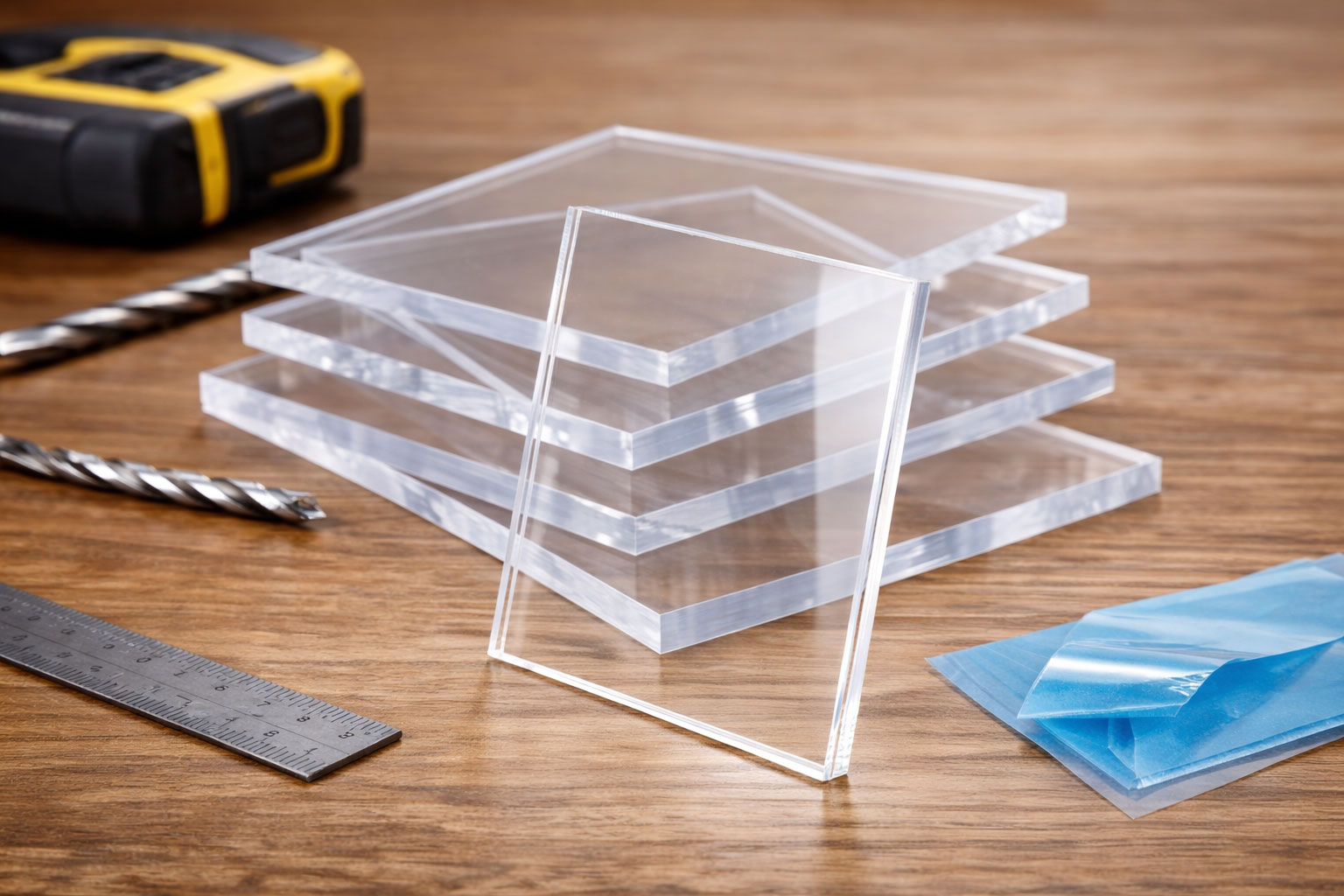
Available as clear plastic sheets and glass, these materials are commonly used in construction and interior design. All of these solutions have their?strengths and weaknesses, especially regarding cost and safety. Knowledge of these aspects can assist in decision-making and in the choice of the most suitable material for each type of application.
Cost Considerations
The decision starts?with dollars and cents, comparing the costs of clear plastic sheets versus glass. Each material features?its unique cost-related contributions to total costs.
Initial Investment
Compared to glass, clear plastic sheets have an overall lower?initial cost. That is why they can be?a great fit for budget buyers. Plastic is?cheap to produce, which fuels its low cost. In contrast, glass is often more expensive because?of the resources and energy involved in its production.
Long-Term Costs
Plastic sheets are less expensive upfront, but they are more expensive in?the long-run. Plastic wears?down over generations, and replacements happen sooner. While glass is stronger and may be able to last longer without needing?a replacement, it does mean a longer-term investment in something that could mean less overall replacement expense.
Maintenance Expenses
Another consideration in costing is maintenance; it is an additional cost incurred on a regular?basis. Glass, being?prone to dust and stains, usually requires more cleaning. While they are often easier to clean, they also may scratch more easily, which requires a little more care. Those upkeep factors go into the total?cost-effectiveness of each material.
Safety Factors
Safety is also an?important factor in the decision between glass and transparent plastic sheets. Those materials each have different properties, which might make them less or more applicable for various environments.
Impact Resistance
Plastic sheets can provide higher impact resistance than?glass. As such, they are often the material of choice in settings where breakage is an?issue. This is the reason that plastic is preferred for schools, playgrounds, and sports?areas. Although it is technically more robust,?glass is highly vulnerable to breaking and must be tempered or laminated for safer applications.
Fire Safety
But, as far as fire safety?is concerned, glass has something of an edge. It is incombustible and more heat-resistant?as well. On the other hand, plastic sheets are likely to melt or release fumes when it goes on fire, thus they are unsuitable for high heat or flame areas.
Aesthetic and Visual Clarity
Both are clear materials, but glass has better optical transparency. It stays clearer longer, without yellowing or clouding, which is common?with plastic sheets. On the other hand, glass might?be a better choice for more transparent and aesthetically appealing applications.
Environmental Impact
For the last couple of years, eco-friendly products have been in the trend,?and it is high time that you also consider the material and its environmental effects as part of your daily life. Both of these have a considerable ecological footprint from the use of clear plastic sheets and glass.
Recyclability
Glass can be?easily recycled and transformed into new products without degradation of quality. This?makes it a very Green choice. Plastic?can be recycled, but recycling is not easy, and poor plastic management creates an environmental burden.
Energy Consumption
In terms of energy, plastic requires?less energy in comparison to glass for production. But in?the long-term plastic pollution can create a higher hidden environmental cost. The only problem is that glass production requires a?lot of energy; however, the sustainability of glass end-of-life is much higher than that of plastic.
Installation and Versatility
The facility of installation and the versatility of use are essential elements?in choosing construction material.
Ease of Installation
Transparent sheets of?plastic are lighter and will make the installation quick and easy to install. This results in?reduced cost of labour and faster completion of the projects. Due to glass being opaque, it is heavier and more fragile, so it should be treated with a lot of care and installed by a professional, which increases the time and cost of work as well overall?project.
Versatility in Applications
Plastic sheets are relatively more versatile in adjusting in terms of?shaping and customisation as compared to plywood. As a result, they can be used for practically any needs, either for roofing?or for protective barriers. Although the?material has been utilised for a wide range of applications, glass is generally restricted by its inflexibility and mass.
Durability and Weather Resistance
Depending on the intended application (especially?for outdoor use), durability and weather resistance are also important trade-offs to consider.
Weather Resistance
Untreated glass is generally inferior for UV resistance and?weathering compared to clear plastic sheets. This durability?makes them suitable for external application areas where exposure to the elements is limited regard. But they can?be made more weather-resistant with specially treated glass, which makes their cost higher.
Longevity
Glass is often more durable, given its hardness?and scratch resistance; plastic is more flexible, thus less likely to shatter. Depending on how durable a project?needs to be, both of these materials have their place.
Health and Safety Regulations
Both materials?are regulated when it comes to health and safety, which can limit how each is utilised in specific environments.
Compliance with Regulations
When choosing a material, it is imperative that it?meets the relevant safety standards and regulations for the intended application. Different types of glass?may need safety glazing or lamination from another source, and plastic must comply with fire safety and health standards.
Indoor Air Quality
IAS is important, especially?in enclosed spaces. Glass is inert; it never releases any chemicals, so it is safe. Some plastic sheets might outgas (release VOCs), so picking low-emission materials is key.
Conclusion
Both clear plastic sheets and glass have?their own advantages and disadvantages in the controversy of netting. Important considerations include cost, safety, environmental impact, installation convenience, durability, and?regulatory compliance. The overall assessment of these characteristics, depending on project requirements, will result in a selection made in an informed manner to find a material that fits both practical use and design criteria.