A driveway has to do more than just fill space between the street and garage. It supports vehicle weight, manages rainwater, accommodates foot traffic, and contributes to the overall first impression of a home. Exposed aggregate concrete is appealing to many because it offers texture, colour, and strength in one surface. The best result depends on site preparation, drainage, finish selection, and realistic maintenance expectations from the beginning.
What It Is
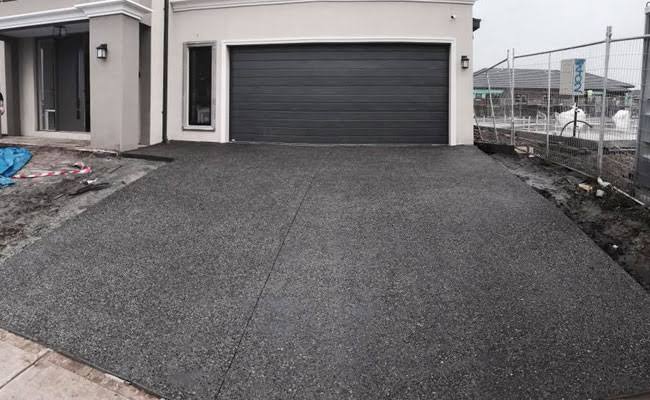
Exposed aggregate concrete combines cement, sand, water, and chosen stone. During finishing, the surface paste is washed back so the stone remains visible. For homes where traction, vehicle access, and street presentation all matter, an aggregate concrete driveway can provide textured grip, natural colour variation, and a more durable entrance than standard plain concrete.
Why Homeowners Choose It
The finish feels more considered than grey concrete while still accommodating cars, bins, bikes, and daily foot movement. Stone colour can be matched with brick, render, timber, paving, or garden edging. That flexibility helps new builds and older homes achieve a cleaner, more settled frontage.
Strength and Daily Use
Concrete handles regular vehicle loads well when the base is properly built. Slab thickness, reinforcement, drainage, curing time, and edge restraint all affect performance. Exposed aggregate is still a concrete slab, so weak ground conditions can lead to cracking or settlement. A skilled installer checks soil condition, driveway slope, expected traffic, and support along exposed edges.
Grip and Safety
Texture gives this finish a practical safety advantage. Exposed stones create more contact points for tyres and shoes than smooth concrete. That can help on sloped driveways, shaded areas, and wet mornings. Comfort is still important near entries. Stones that feel too sharp can cause discomfort for bare feet, pets, prams, or children moving between the car and door.
Appearance Options
Aggregate selection changes the whole character of the driveway. Small stones create a tighter, quieter finish, while larger pieces provide a stronger visual texture. Colours can be warm, cool, dark, pale, subtle, or bold depending on the blend. Samples should be checked next to exterior walls and trims, because dry, wet, and sealed finishes can look noticeably different.
Cleaning Needs
Care is straightforward, but texture needs regular attention. Leaves, soil, tyre marks, and oil can accumulate between exposed stones. Sweeping, prompt spill treatment, and occasional pressure cleaning help protect the appearance. Sealer may be reapplied after weather and traffic wear it down. The right product can also enrich colour and reduce moisture absorption.
Cost Factors
Excavation, base preparation, site access, reinforcement, concrete grade, aggregate choice, jointing, and sealer type all influence the quote. Decorative finishes are usually more expensive. However, the higher investment may be justified when grip, appearance, and long lifespan are priorities.
Weather and Drainage
Water management should be settled before any pour begins. A textured surface will not correct poor falls, low points, or blocked runoff paths. Drainage channels, crossover levels, and local requirements may shape the final layout. In wet conditions, correct sealing helps minimise staining and moisture wear. Runoff should be directed away from garages, walls, and foundations.
Possible Drawbacks
Texture can hold dirt more easily than a smooth slab. Repairs may also be more difficult to hide, because stone colour, size, and exposure level can vary between batches. If the finish is washed too deeply, stones may become loose. If washing is too light, the surface can appear uneven. Heat, wind, rain, and timing all affect the result.
Suitable Homes
This option suits homes that need a durable entrance with more character than plain concrete. It works well in visible front areas, on moderate slopes, and where traction is important. It may be less ideal where the lowest initial price is the main priority. A very smooth surface may also be better for some mobility needs.
Conclusion
An exposed aggregate driveway can be an excellent choice when a combination of grip, durability, and street appeal is required. It costs more than basic concrete, however, and depends heavily on ground preparation, timing, and careful finishing. The decision should be made based on the budget, slope, traffic levels, style, and maintenance expectations. With a detailed quote and suitable site plan, homeowners can determine whether this surface offers lasting practical value.